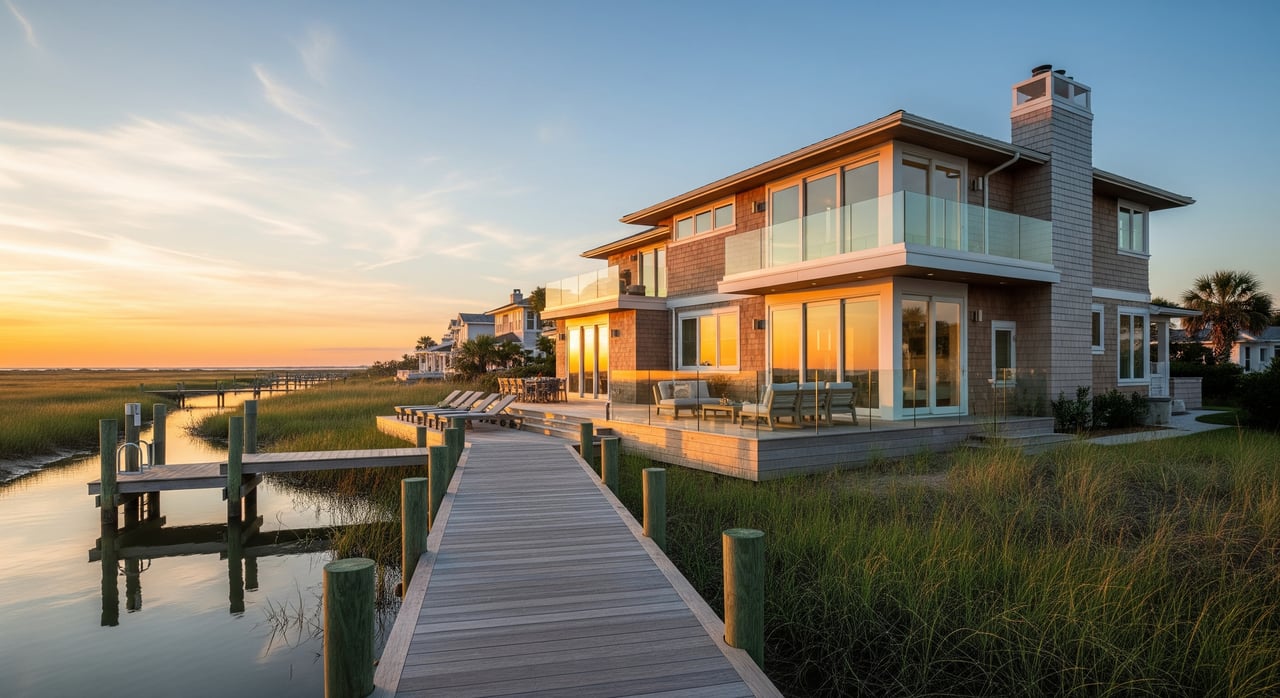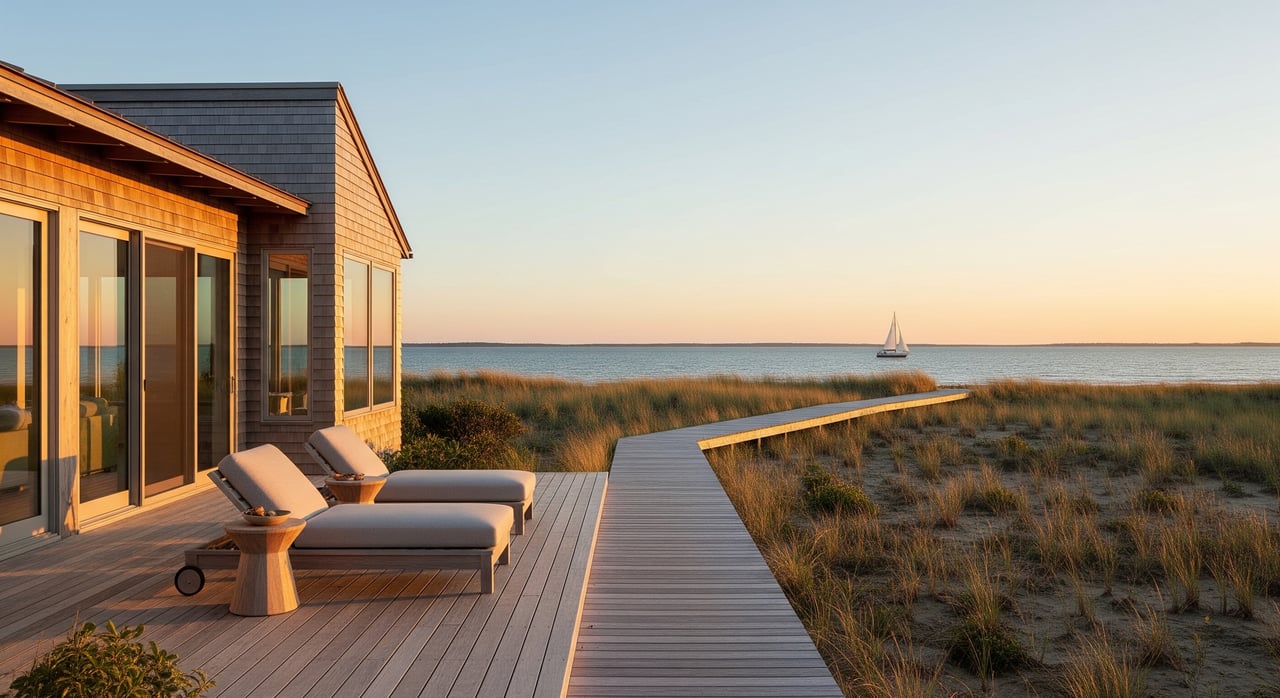
Imagine starting your day with a quiet bay breeze, seabirds calling overhead, and soft morning light on the piers. If you’re craving a calmer, waterfront rhythm without leaving Virginia Beach, Chesapeake Beach offers that slower pace. In this guide, you’ll learn what daily life feels like here, how you’ll access the water, where you’ll run errands, and what to expect across seasons and housing types. Let’s dive in.
What Chesapeake Beach feels like
Chesapeake Beach is a small, bayfront neighborhood with a relaxed, residential vibe. You’ll notice low-rise homes, docks, and small-scale marinas rather than major commercial strips. The energy is local and unhurried, shaped by everyday routines more than tourist activity.
Key idea: You come here for a quieter bay experience, close to the water and close to the comforts of city life, but set apart from the crowds.
Chesapeake Beach vs. the oceanfront
Virginia Beach’s oceanfront is known for the boardwalk, entertainment, and nightlife. Chesapeake Beach leans low-key, with fewer large restaurants and more neighborhood spots or short drives to nearby corridors. You’ll trade the buzz of tourists for a more residential atmosphere and bay sunsets.
Morning routines on the bay
Mornings often mean walkers, joggers, and dog-walkers along local streets near the shoreline. You may see early anglers heading to docks and marinas while you grab coffee at a nearby café. The air smells like salt and cut grass from local parks, and the bay is usually calm.
Daytime errands and work
Most daily errands happen in nearby shopping areas just outside the neighborhood. For a wider selection of restaurants, specialty shops, and events, you’ll likely drive to Town Center, Hilltop, or the oceanfront. Many residents work from home or mix hybrid schedules, with easy drives to coffee shops, co-working spaces, and libraries across Virginia Beach.
Evenings and weekends
After work, the pace stays relaxed. You might meet friends at a small local bar or restaurant, head to a neighborhood dock, or take a short drive to a waterfront park for sunset views. Nightlife here is casual. Expect conversations over dinner, neighborhood gatherings, and community events rather than clubs.
Parks and waterfront access
Chesapeake Beach life is shaped by the water. You’ll find walking routes near the bay, opportunities for birding, and fishing from piers or private docks. Kayakers and paddleboarders enjoy the gentler bay conditions, and small boats often head out from local marinas. Pocket parks and shoreline areas are typically a quick walk or drive away, while larger regional green spaces and nature areas sit within a short drive.
Climate and seasons
The area has a humid subtropical climate, which means warm, humid summers and generally mild winters. Spring and fall are favorites for walking, biking, and time on the water. Hurricane season runs from June through November, so you’ll see residents monitor forecasts and secure boats and outdoor items when tropical weather approaches.
Housing types and vibe
You’ll see a range of homes, from mid-century cottages and renovated bungalows to townhomes, low-rise condominiums, and bayfront properties with docks. Waterfront homes are fewer and typically command a premium. Inland pockets can offer more budget-friendly options while keeping you close to the shoreline.
Tip for buyers: Inventory and price trends can shift with season and location. Work with a local expert to compare waterfront versus inland options and to understand renovation potential and resale factors.
Getting around and commutes
Driving is the primary way to get around. Public transit is available in parts of the city but is more limited than in larger metro cores. Commute times to downtown Norfolk and regional installations vary by route and time of day, so it helps to test your commute during peak hours.
Schools, services, and essentials
Public schools here are part of Virginia Beach City Public Schools. You’ll find routine services like groceries, pharmacies, and clinics within a short drive. For emergency services, the city provides coverage across precincts and stations. If you’re considering a home near the water, plan to review flood zone details and insurance needs as part of your due diligence.
Is Chesapeake Beach right for you?
Use the checklist below to see if the neighborhood fits your daily life.
- You prefer a residential bay setting over a tourist scene.
- You want regular access to walking routes, docks, and casual boating.
- You are comfortable driving for larger shopping trips and dining variety.
- You like low-key evenings and community-centered activities.
- You plan ahead for seasonal weather and hurricane preparedness.
Buyer and seller tips for this area
- For buyers: Prioritize a property tour at different times of day to get a feel for traffic patterns, wind, and light. If you’re a boater or paddler, evaluate dock access, water depth, and storage options at or near the home.
- For sellers: Highlight waterfront proximity, outdoor living spaces, and flexible rooms for home offices. Professional photography that captures morning and sunset light can make a strong impact.
- For everyone: When evaluating a waterfront or near-water home, include flood zone review, insurance discussions, and seasonal maintenance planning in your decision process.
Ready to explore homes and micro-market insights in Chesapeake Beach? Connect with Laura Rowe for neighborhood guidance, tailored searches, and pricing strategy. Request Your Free Home Valuation.
FAQs
What is the daily vibe in Chesapeake Beach?
- It’s relaxed and residential with bay views, calm routines, and low-key evenings shaped by the waterfront rather than tourist activity.
How do you access the water in Chesapeake Beach?
- You’ll find shoreline walks, opportunities for birding and fishing, and access to kayaking, paddleboarding, and small-boat outings from docks and local marinas.
Where do residents shop and grab coffee nearby?
- Everyday errands are handled at nearby shopping areas just outside the neighborhood, with broader dining and retail options in Town Center, Hilltop, and the oceanfront.
How seasonal is life in Chesapeake Beach?
- Spring and fall are popular for outdoor time, summers are warm and humid, winters are generally mild, and hurricane season runs June through November.
What types of homes are common in Chesapeake Beach?
- You’ll see cottages, renovated single-family homes, townhomes, low-rise condos, and some waterfront properties with docks; bayfront homes tend to command a premium.
Is flood insurance common for Chesapeake Beach homes?
- It depends on the property’s specific flood zone; many buyers review flood data and insurance needs during due diligence, especially near the water.
How does Chesapeake Beach compare with the oceanfront?
- The oceanfront offers entertainment and tourist energy, while Chesapeake Beach delivers a quieter, local bay experience with fewer crowds and smaller-scale businesses.