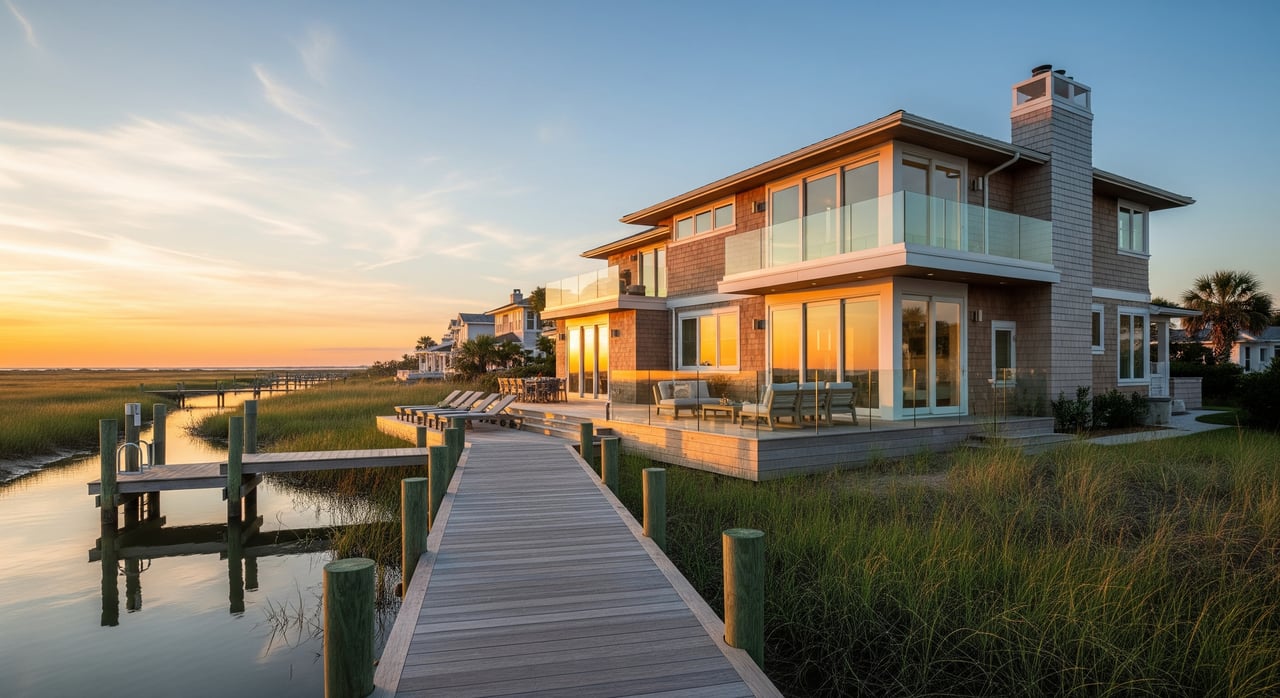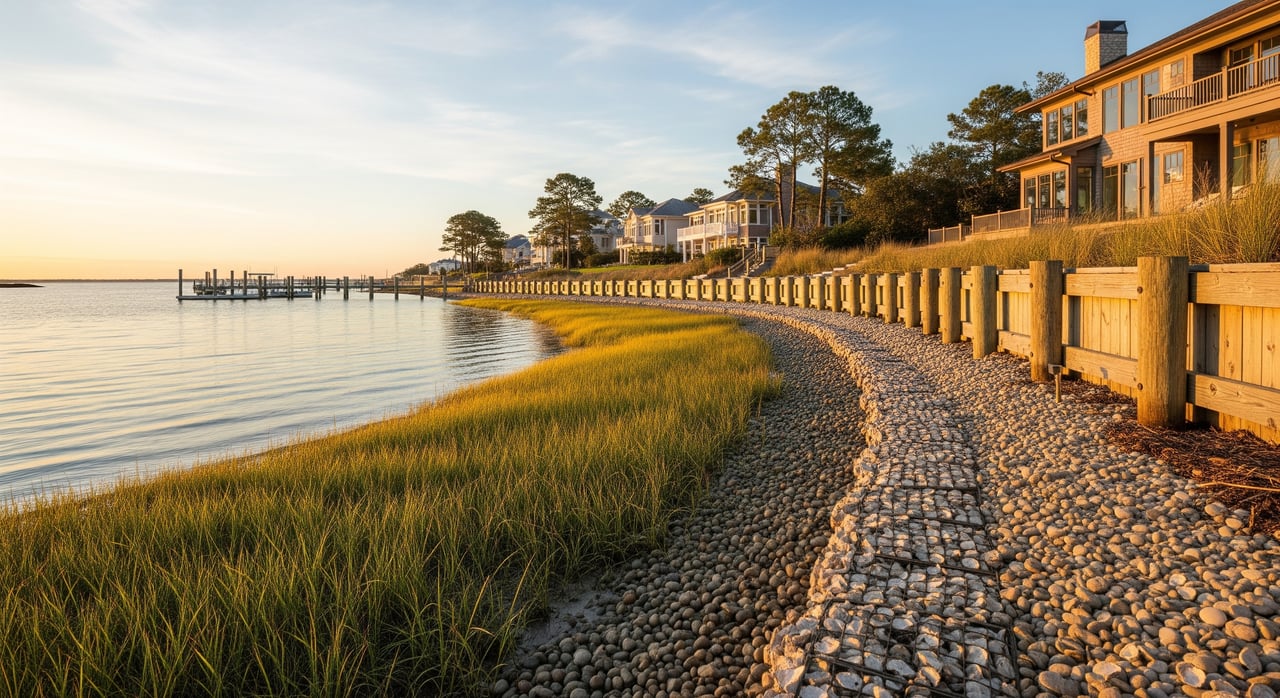
Water meets your backyard in Wishart Cove, and that view is part of why you live here. But as tides rise and storms roll through Hampton Roads, keeping your shoreline stable matters more each year. If you are weighing a living shoreline against a bulkhead, you want straight answers on protection, permits, costs, and resale. This guide breaks it down for Virginia Beach owners so you can choose with confidence. Let’s dive in.
Wishart Cove shoreline basics
Wishart Cove sits inside the Chesapeake Bay estuarine system, where tides, storm surge, and shallow waters shape your bank over time. In sheltered coves like this, wave energy is typically lower than on open bay fronts, which can make living shorelines feasible in many spots. That said, every lot is different. Substrate, slope, and fetch still determine what will hold up on your property.
Hampton Roads experiences faster sea-level rise due to both global trends and local subsidence. That means more nuisance flooding and pressure on fixed walls over time. Any shoreline solution should account for gradual water level rise, storm exposure, and long-term maintenance.
What is a bulkhead?
How it works
A bulkhead is a vertical wall at the water’s edge, commonly built from timber, steel, concrete, or vinyl. It forms a hard barrier that stops landward erosion at the wall line. Properly engineered tiebacks and foundations help resist storm forces.
Pros and limits in Wishart Cove
A bulkhead provides immediate, strong protection for the upland behind it. It can be a fit where space is tight or where you need a straight, defined edge for structures near the water. Over time, bulkheads can increase wave reflection and scour at the toe, which may deepen the area just seaward of the wall and potentially affect neighboring, non-armored properties. Bulkheads also replace intertidal habitat with a vertical surface, reducing natural shoreline connectivity.
What is a living shoreline?
How it works
A living shoreline uses native marsh plants, graded fill, and often low-profile rock sills or coir logs to reduce wave energy. The goal is to trap sediment, support marsh growth, and maintain a natural slope that can adjust over time.
Benefits in sheltered coves
In lower-energy areas like many spots around Wishart Cove, a living shoreline can stabilize banks while adding habitat for fish and crabs and improving water quality. Marsh platforms can accrete vertically as sediment builds, which helps them adapt to gradual sea-level rise when there is enough sediment and room for landward migration. Hybrid approaches combine rock sills with plantings to boost stability where waves are moderate.
Storms, tides, and long-term resilience
Short term, a well-built bulkhead can resist high water and wave impact, though older or underdesigned walls can fail suddenly when overtopped or undermined. A living shoreline with a rock sill often weathers moderate storms, and vegetation can be replanted if damaged.
Long term, bulkheads are finite-life infrastructure that do not shift with a migrating shoreline. Living shorelines are designed to evolve with conditions, provided there is space and sediment supply. Reduced wave reflection and less adjacent scour are added resilience benefits compared with a vertical wall.
Permits in Virginia
Who reviews your project
Shoreline work in tidal waters typically involves the Virginia Marine Resources Commission (VMRC). Depending on impacts, the U.S. Army Corps of Engineers (USACE) and the Virginia Department of Environmental Quality (DEQ) may also be part of the process. The City of Virginia Beach can require local coordination for zoning, floodplain, or stormwater considerations.
Typical path for living shorelines
Many properly designed living shorelines qualify for VMRC general permits or streamlined review, especially when they restore marsh and avoid submerged aquatic vegetation or oyster habitat. Some projects fit under regional or nationwide general permits at USACE, while others need individual review. If a federal permit is needed, DEQ may issue water quality certification. Virginia programs recognize the ecological benefits of living shorelines and often have clear guidance and outreach support.
Typical path for bulkheads
Bulkheads require VMRC authorization and, when fill or wetland impacts occur, typically involve USACE and DEQ. Minor repair of an existing wall may follow a simpler path than full replacement or extension. Impacts to sensitive resources can trigger more stringent review.
Timeline tips
Permitting timelines vary by scope and resource impacts. Projects that fit general permits can move faster, while those that affect submerged vegetation, require dredging, or add significant fill tend to take longer. A qualified designer can confirm the likely path and timeline for your property.
Maintenance and lifespan
Bulkheads
Bulkhead life depends on materials and construction. Timber walls often last about 15–30 years, while steel or vinyl systems can reach 20–50 years or more when well built. Routine care includes post-storm inspections, watching for rot or settlement, maintaining drainage to reduce pressure, and repairing undermining at the toe. Replacement at end of life is common and usually requires new permits.
Living shorelines
Living systems require the most attention in years 0–3 while plants establish. Rock sills in hybrid designs can last decades with periodic checks. Maintenance often includes short-term irrigation, invasive species control, replanting losses after the first growing seasons, minor rock adjustments after storms, and debris removal that might smother vegetation. Instead of total replacement, the goal is to maintain and adapt the system over time.
Cost planning and funding
Upfront costs vary by site. Bulkheads can be cost-effective when high protection is needed in a tight space, but pile driving and foundations drive price. Living shorelines range from simple plantings to marsh creation with rock sills, which can be comparable to lower-end structural options in some settings.
Over the long run, bulkheads may incur major replacement costs, while living shorelines generally shift costs to early maintenance, monitoring, and occasional repairs after storms. Grants and cost-share programs often prioritize living shorelines because of public benefits like habitat and water quality. That funding can significantly lower your out-of-pocket cost.
Resale and insurance considerations
Shoreline type can influence buyer appeal, but preferences differ. Some buyers like the clean look and perceived permanence of a wall. Others prefer the natural feel and ecological benefits of a marsh edge. What tends to matter most is a well-designed, well-maintained shoreline that manages erosion risk over time.
Your shoreline approach does not directly change FEMA flood insurance premiums, which are based on flood zones, elevation, and building characteristics. Still, a solution that reduces erosion and storm impacts can help avoid costly repairs and protect your structures, which matters to both you and future buyers.
Decision checklist for Wishart Cove owners
- Get a professional site assessment to confirm wave energy, slope, substrate, and access.
- Check for constraints like flood zones, submerged aquatic vegetation, easements, utilities, and neighborhood covenants.
- Clarify your goals: maximum immediate protection, long-term resilience and habitat, or a hybrid.
- Review permitting needs early with VMRC and USACE to understand path and timeline.
- Compare lifecycle costs: construction now vs. maintenance and likely replacement later.
- Explore funding with state and regional programs that prioritize living shorelines.
- Coordinate with neighbors if possible, since shoreline changes can affect adjacent properties.
Ready to explore your options?
If you are considering a shoreline upgrade at Wishart Cove, you deserve clear guidance that fits your property, your budget, and your long-term plans. As a local advisor who understands Virginia Beach micro-markets and buyer expectations, I can help you think through protection, resale, and timing alongside your broader home goals. Request a quick conversation and a property-specific plan today with Laura Rowe. Request Your Free Home Valuation.
FAQs
How do living shorelines perform during storms in Wishart Cove?
- In moderate events, living shorelines with rock sills often hold up well and can be repaired if vegetation is damaged. Extreme storms can cause plant loss, but replanting and minor rock adjustments usually restore function.
Do I need permits in Virginia Beach for shoreline work?
- Yes. VMRC typically reviews tidal shoreline projects, and USACE and DEQ may be involved depending on impacts. Local city requirements can also apply. A qualified professional can map the quickest path for your design.
How long does a bulkhead last in coastal Virginia?
- Lifespan varies by material and build quality. Timber bulkheads often last about 15–30 years. Vinyl and steel systems can reach 20–50 years or more, with regular inspections and repairs.
Will a living shoreline increase my property’s value?
- Value depends on buyer preferences and condition. Many buyers appreciate sustainable, low-erosion shorelines and the natural look and habitat benefits. Strong design and maintenance support resale appeal.
Can I combine rock and plants for a hybrid solution?
- Yes. Hybrid designs that pair a low rock sill with marsh plantings are common in moderate wave settings. They can offer better protection than plants alone while providing habitat benefits not found with a vertical wall.