Are you torn between sunrise surf and bay sunsets? If you are deciding between the North End and Ocean Park, you are not alone. Both offer that salt‑air lifestyle, but the day‑to‑day experience, housing options, and costs can feel very different once you dig in. In this guide, you will get a clear, side‑by‑side look at budget signals, beach access, flood and insurance factors, and practical rules so you can choose with confidence. Let’s dive in.
Where they are and how they feel
North End: Oceanfront residential strip
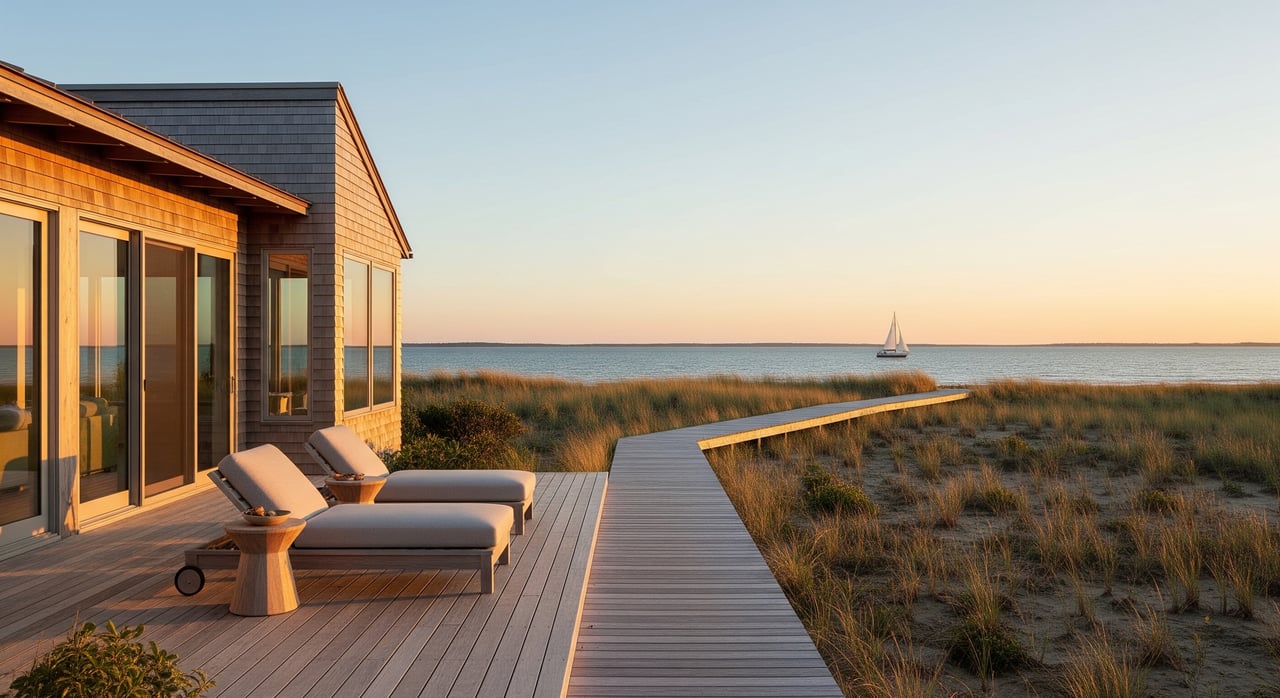
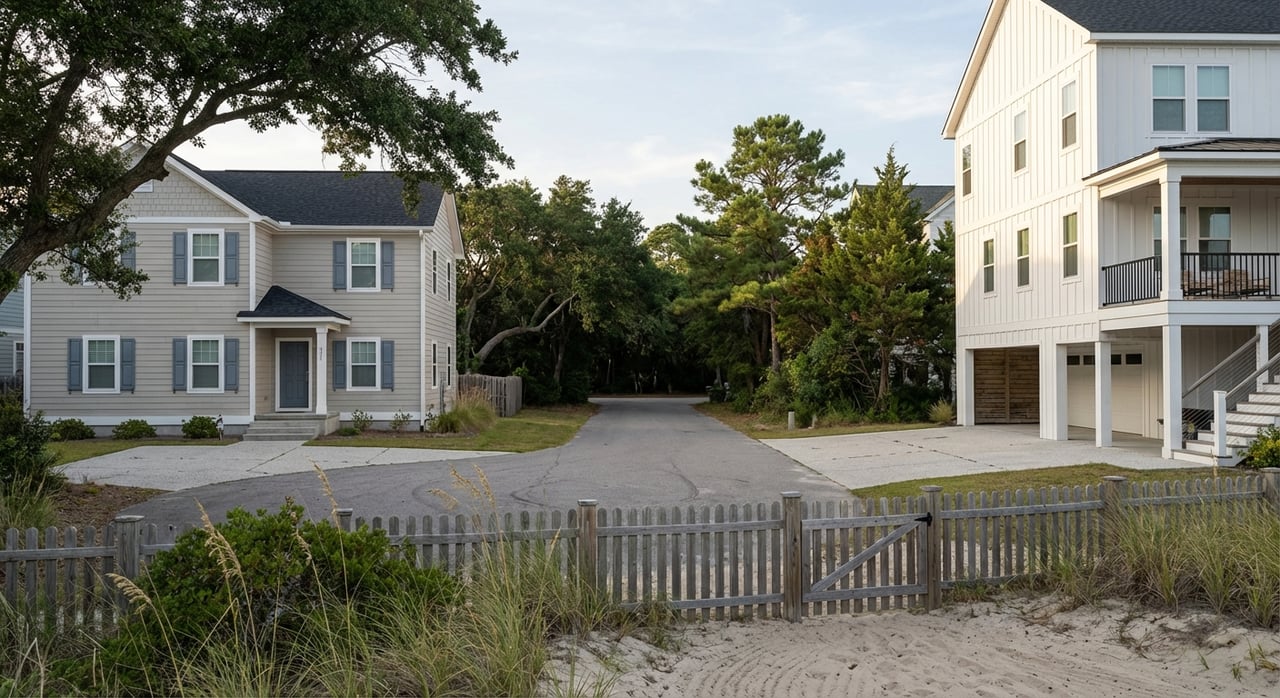
The North End is the residential oceanfront stretch north of the main resort area, commonly described along Atlantic Avenue from roughly the low‑40s to the upper‑80s streets, with First Landing State Park just to the west. It feels more residential than the Boardwalk area, with a mix of classic cottages and newer rebuilds along quiet, numbered streets that end at dune walkovers. You will find limited commercial activity inside the neighborhood itself, which keeps the vibe low‑key and beach‑centric. For context on boundaries and market overview, see the North End neighborhood analysis and the North VB Civic League.
Ocean Park: Bay‑side community by Lesner Bridge
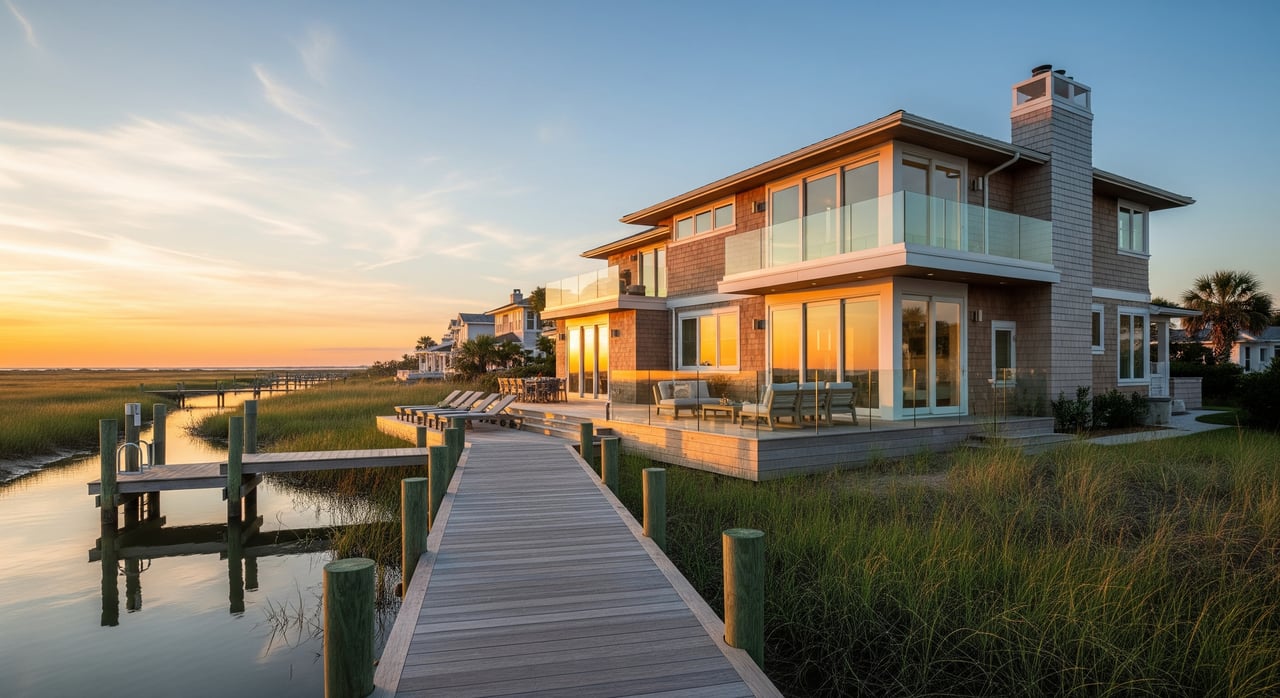
Ocean Park sits along the Chesapeake Bay and Lynnhaven Inlet near Shore Drive and the Lesner Bridge. Life here often revolves around calmer bay water, small marinas, and easy access to Pleasure House Point. Residents enjoy trails and outdoor programs at the Brock Environmental Center, which adds a strong nature‑forward feel to the area. Explore the center’s mission and setting through the Brock Environmental Center case study.
Beach and recreation
Atlantic surf vs. bay calm
If you love open‑ocean energy, the North End’s Atlantic shoreline delivers surf, long walks, and classic dune‑backed beaches. Public access is available via many numbered streets, and summer weekends can tighten parking on residential blocks. For a change of pace, First Landing State Park sits just behind the neighborhood and adds trails, a bay beach, and paddling options. See the park’s overview on the First Landing State Park page.
If you prefer calmer water and sunset views, Ocean Park’s bayfront is ideal for kayaking, paddleboarding, and quieter swims. Pleasure House Point’s natural areas and the Brock Environmental Center create a unique mix of conservation, education, and outdoor exploration. It is an everyday lifestyle that leans into boats, boards, and the bay.
Housing types and budget today
North End pricing snapshot
Expect a wide range from renovated cottages to high‑value oceanfront estates. Recent snapshots show the North End’s median in the low seven figures. A Q3 2025 neighborhood report placed the median around 1.1 million dollars, while other data sources have cited medians closer to 1.3 to 1.4 million dollars depending on exact boundaries and the influence of oceanfront sales. You can view context in the North End neighborhood analysis and median value ranges noted by NeighborhoodScout’s profile. Ocean frontage, lot size, dune access, and the scope of a recent rebuild can swing pricing significantly in just a few blocks.
Ocean Park pricing snapshot
Ocean Park includes a mix of single‑family homes, duplex and townhouse conversions, and bay‑side condos. As of a January 2026 snapshot, Redfin reported a median sale price around 642,450 dollars for Ocean Park, with inventory that can span from sub‑400,000‑dollar condos to higher‑end bayfront properties near or above 900,000 dollars depending on access and condition. The takeaway is that Ocean Park is generally more affordable than oceanfront North End addresses, while still offering premium options near the water.
Day‑to‑day convenience
Both areas are largely car‑dependent for errands. The Ocean Park neighborhood shows a low walkability score near 30, which reflects the need to drive for most services; see the Ocean Park Walk Score page. The North End is similarly car‑oriented for groceries and dining, though many homes sit just a short walk from the sand. If being steps from the Atlantic is your priority, the North End wins. If you want calmer water and frequent access to boat ramps and bay recreation, Ocean Park shines.
Flood, insurance, and resilience
What to verify for any coastal address
Many Atlantic‑facing properties fall in FEMA coastal high‑hazard zones, labeled V or VE, where wave action is a key risk. These zones come with specific National Flood Insurance Program requirements for elevation and construction. Before you tour, plan to check the FEMA zone for any address and ask for an Elevation Certificate if one exists. You can review key terms and why they matter in FEMA’s flood insurance terminology index.
Hampton Roads is addressing recurrent flooding and sea‑level rise through ongoing planning and resilience initiatives, which affects long‑term maintenance and potentially insurance costs. For a helpful overview, read the city’s program summary in the U.S. Climate Resilience Toolkit, Virginia Beach becomes Sea Level Wise. In practice, budget for flood coverage as well as wind or hurricane deductibles, and compare NFIP and private quotes by address.
Beach nourishment and dunes
Virginia Beach periodically performs beach nourishment and dune work that can change beach width and create short‑term construction impacts. In 2025, large replenishment efforts were active along the Oceanfront between approximately 15th and 45th Street, with additional segments planned. Check the city or USACE schedule for current phases; see recent coverage of the project in Dredging Today.
Rules, rentals, and HOAs
If you plan to rent short‑term, confirm the latest Virginia Beach registration, zoning eligibility, inspections, and transient occupancy tax requirements. State law outlines registration and tax rules, while local enforcement continues to evolve. Start with the state context in the Code of Virginia and contact the city’s Commissioner of the Revenue for current local steps.
Ocean Park includes several condo and HOA communities along Shore Drive, which may have monthly dues and rules affecting parking, pets, and rentals. The North End has fewer large HOAs but does include some condominium or co‑op clusters. Always review the association documents before you write an offer if those factors are important to your plans.
Decide with this quick checklist
Shoreline and recreation
- North End: Atlantic surf, dune‑backed beaches, quiet residential access. First Landing State Park nearby for trails and bay paddling.
- Ocean Park: Calmer bay water, frequent kayak and paddleboard use, Pleasure House Point and the Brock Environmental Center for nature‑forward activities.
Housing and budget
- North End: Higher medians. Recent snapshots place the median around 1.1 to 1.4 million dollars depending on data source and the share of oceanfront sales.
- Ocean Park: More varied price points, with a January 2026 median near 642,450 dollars and a range from entry‑level condos to higher‑end bayfront homes.
Convenience and parking
- North End: Residential, beach‑first lifestyle. Limited retail in‑neighborhood. Expect seasonal parking pressure near beach walkovers.
- Ocean Park: Shore Drive corridor services and marinas close by. Car‑dependent but with fast access to bay amenities.
Flood and insurance
- North End: More addresses in FEMA V or VE zones on the oceanfront, which can increase elevation and insurance requirements. Verify by address and request Elevation Certificates. See FEMA’s terminology index.
- Ocean Park: Bayfront properties also face surge and flood risk, often in different FEMA zone classifications. Quote both NFIP and private options to compare.
Policy and rentals
- Both: Short‑term rentals require registration and tax compliance. Rules and approvals change, so confirm city code and eligibility with the Commissioner of the Revenue. Review the Code of Virginia for state context.
Which neighborhood fits your goals?
Choose the North End if being steps from the Atlantic and a quiet, residential beach scene top your list, and your budget aligns with a higher median and potential oceanfront premiums. Choose Ocean Park if you want calmer bay water, everyday access to Pleasure House Point, and a broader mix of home types and prices. Both areas reward careful address‑level research for flood zones, insurance, and parking or HOA rules.
If you are still on the fence, visit both on a weekday morning and a summer weekend to feel the difference in parking, activity, and beach access. Then compare a few recent sales on each side that match your wish list. When you are ready to narrow showings or need address‑level flood and insurance guidance, reach out to Laura Rowe for local insight and a plan that fits your timeline.
FAQs
What is the main lifestyle difference between North End and Ocean Park?
- North End centers on Atlantic surf and quiet residential beach access, while Ocean Park focuses on calmer bay water, boating, and access to Pleasure House Point and the Brock Environmental Center.
What are typical home prices as of late 2025 to early 2026?
- The North End shows medians in the low seven figures, roughly 1.1 to 1.4 million dollars depending on data source and boundaries, while Ocean Park’s January 2026 snapshot shows a median near 642,450 dollars.
Are these neighborhoods walkable to shops and dining?
- Both are largely car‑dependent for errands. Ocean Park’s Walk Score is around 30, and the North End also requires a car for most shopping and dining, though beach access is typically walkable.
How does flood risk compare between the two areas?
- Many North End oceanfront addresses fall in FEMA V or VE zones with wave action risk and elevation requirements, while Ocean Park addresses face bay‑side surge and flood risk in different FEMA zones; always verify by address and request an Elevation Certificate.
What should I know about short‑term rentals in Virginia Beach?
- Short‑term rentals require city registration and tax compliance, and eligibility can be limited by zoning or permit rules; review the Code of Virginia and confirm current city requirements with the Commissioner of the Revenue.
Will beach nourishment affect my North End property?
- The city and USACE run periodic nourishment and dune projects that can change beach width and create short‑term construction impacts; check current schedules and see recent project coverage in Dredging Today.